This is a demo store. No orders will be fulfilled.

Washer Dryer Buying Guide
Washer-dryers are a great way to save space at home – they’re two appliances in one. But it might take a little longer to choose one that’s right for you.
What is a Washer-dryer?
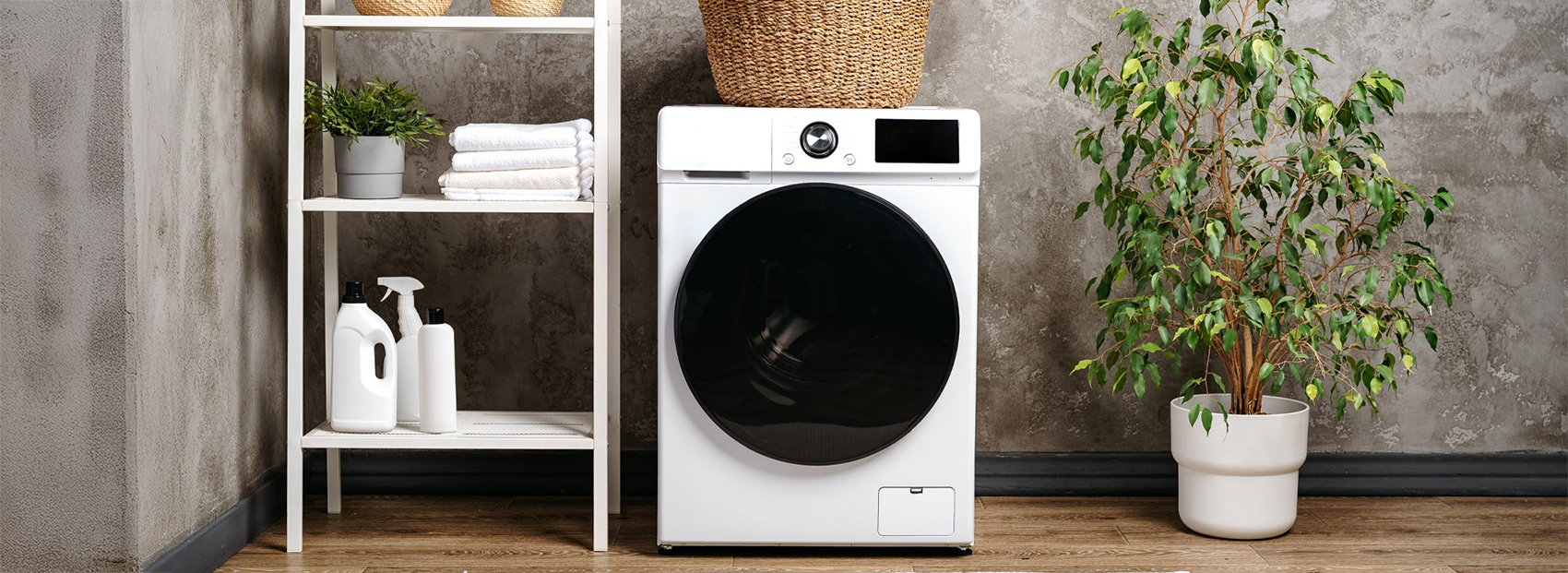
A washer-dryer is a multifunctional appliance that combines washing and drying functions into a single machine. Instead of using separate washing and tumble-drying appliances, you can wash your clothes and then dry them in one unit. Washer-dryers typically run integrated washing and drying cycles, allowing you to complete the entire laundry process from start to finish in a single appliance. These appliances are particularly useful for saving space in smaller homes or apartments where efficient laundry handling is essential without occupying additional room.
There are several types of washer-dryers available – from integrated and freestanding models to different colours and styles. Washer-dryers generally work like condenser tumble dryers rather than the vented versions. Instead of venting moist air during the drying process through a pipe, the machine condenses it back into water. As there’s no hose like with a vented tumble dryer, you don’t need to put your washer-dryer next to an external wall. Other factors include spin speed (RPM), features like quick wash/dry and sensor washing, noise levels, and warranty. Remember that a washer-dryer's drying capacity is often less than its washing capacity.
What is a
Washer-dryer?
A washer-dryer is a multifunctional appliance that combines washing and drying functions into a single machine. Instead of using separate washing and tumble-drying appliances, you can wash your clothes and then dry them in one unit. Washer-dryers typically run integrated washing and drying cycles, allowing you to complete the entire laundry process from start to finish in a single appliance. These appliances are particularly useful for saving space in smaller homes or apartments where efficient laundry handling is essential without occupying additional room.
There are several types of washer-dryers available – from integrated and freestanding models to different colours and styles. Washer-dryers generally work like condenser tumble dryers rather than the vented versions. Instead of venting moist air during the drying process through a pipe, the machine condenses it back into water. As there’s no hose like with a vented tumble dryer, you don’t need to put your washer-dryer next to an external wall. Other factors include spin speed (RPM), features like quick wash/dry and sensor washing, noise levels, and warranty. Remember that a washer-dryer's drying capacity is often less than its washing capacity.
Washing Capacity
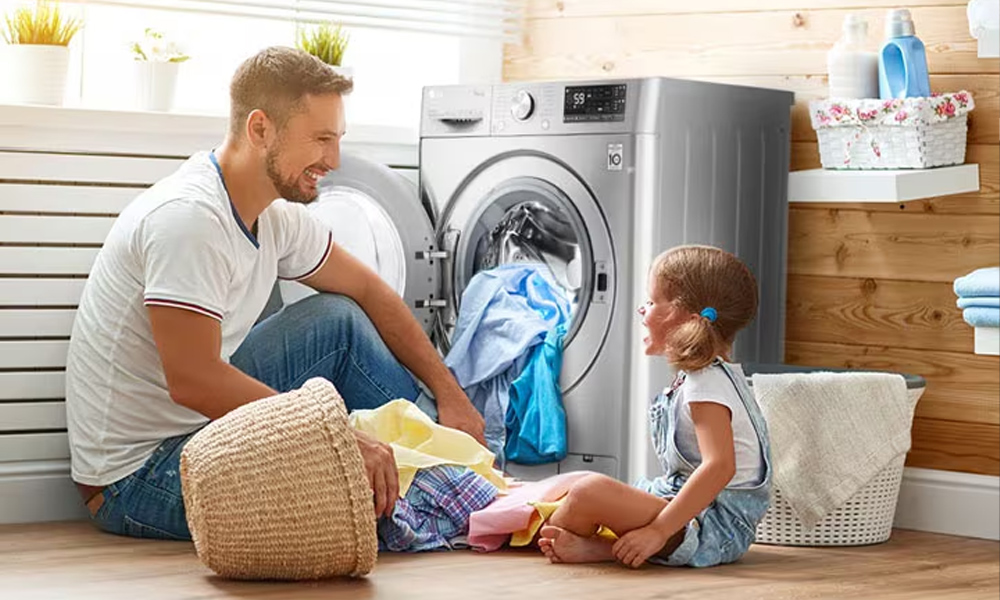
Small washing machines are generally 7kg, you can easily place them in smaller, tighter spaces, so they’re great if you live in a small house or flat. If your household has three to five members, then an 8 to 10kg capacity will keep up with your family’s lifestyle. Large washing machines are considered to be anything 11kg and above and are perfect for larger families. These washing machines fit large loads with ease, from everyone’s weekly laundry to your favourite duvet, so there’s less to fuss over during the week when life is already so busy.
Washing Capacity
Small washing machines are generally 7kg, you can easily place them in smaller, tighter spaces, so they’re great if you live in a small house or flat. If your household has three to five members, then an 8 to 10kg capacity will keep up with your family’s lifestyle. Large washing machines are considered to be anything 11kg and above and are perfect for larger families. These washing machines fit large loads with ease, from everyone’s weekly laundry to your favourite duvet, so there’s less to fuss over during the week when life is already so busy.

Drying Capacity
It’s important to remember that drying capacity is different from washing capacity. While a machine might wash up to 10kg of laundry, it will typically only dry around 6kg. Wet clothes are heavier and require more room to tumble; therefore, this space allows warm air to circulate efficiently and dry your laundry properly. Choosing the right drying capacity ensures your laundry dries effectively without overloading the machine. A larger household may benefit from a higher drying capacity, while smaller homes can manage with more compact options.
Drying Capacity
It’s important to remember that drying capacity is different from washing capacity. While a machine might wash up to 10kg of laundry, it will typically only dry around 6kg. Wet clothes are heavier and require more room to tumble; therefore, this space allows warm air to circulate efficiently and dry your laundry properly. Choosing the right drying capacity ensures your laundry dries effectively without overloading the machine. A larger household may benefit from a higher drying capacity, while smaller homes can manage with more compact options.

Family Size
Small family or a couple
Washing 5Kg
Drying 3Kg

Family Size
Medium family of 3 to 4
Washing 6-8Kg
Drying 4-6Kg
Family Size
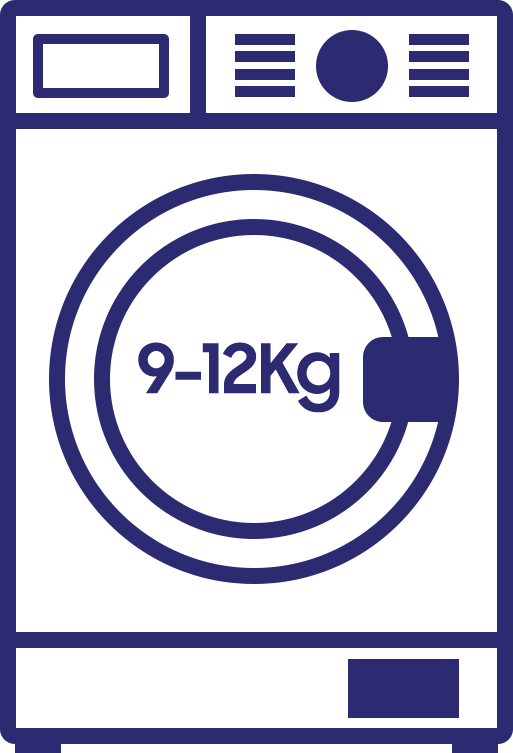
Large family of 5 to 6
Washing 9-12Kg
Drying 6-8Kg
Family Size
Small family or a couple
Washing: 5Kg Drying: 3Kg
Family Size
Medium family of 3 to 4
Washing: 6-8Kg Drying: 4-6Kg
Family Size
Large family of 5 to 6
Washing: 9-12Kg Drying: 6-8Kg
Freestanding or Integrated Washer Dryer?
Freestanding or Integrated Washer Dryer?
Freestanding
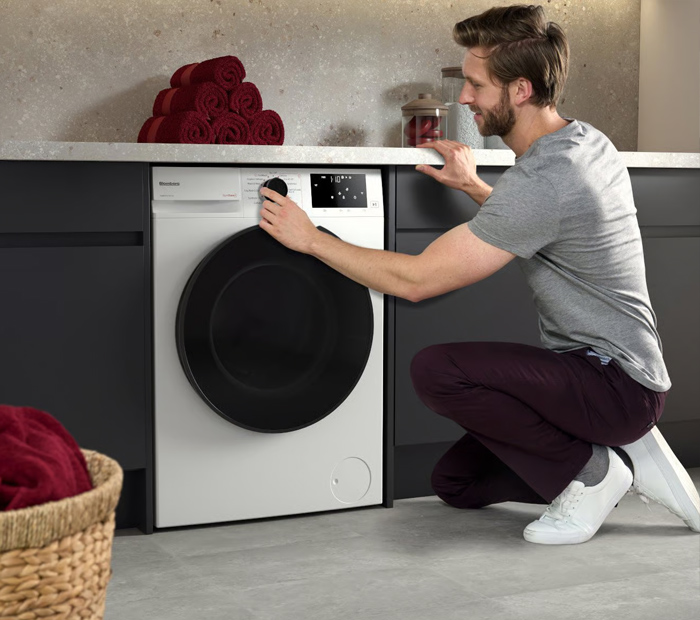
Freestanding washer-dryers are perfect for open-plan living spaces or larger households. By combining both washing and drying functions in a single unit, you save valuable space and avoid the need to purchase two separate appliances.
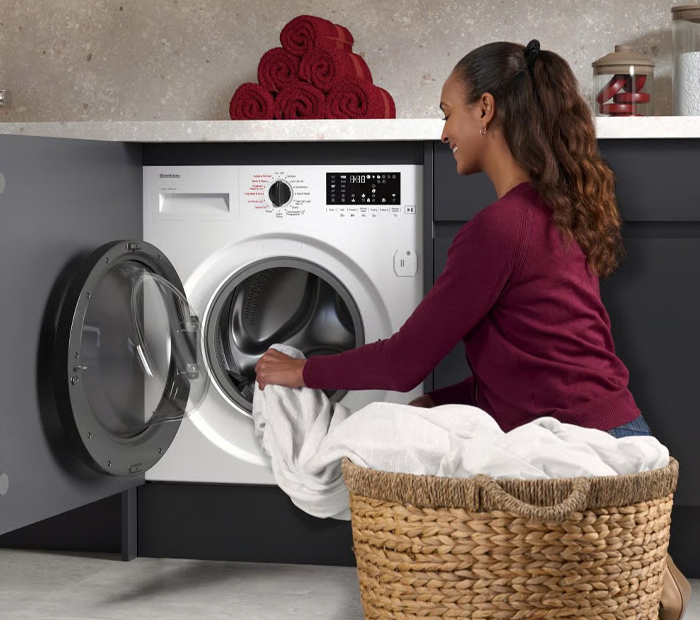
Integrated
Integrated washer-dryers are an ideal choice for smaller homes or those looking to maintain a clean, cohesive kitchen design. These appliances sit neatly behind a cabinet door, blending seamlessly into your existing kitchen aesthetic.
Freestanding
Freestanding washer-dryers are perfect for open-plan living spaces or larger households. By combining both washing and drying functions in a single unit, you save valuable space and avoid the need to purchase two separate appliances.
Integrated
Integrated washer-dryers are an ideal choice for smaller homes or those looking to maintain a clean, cohesive kitchen design. These appliances sit neatly behind a cabinet door, blending seamlessly into your existing kitchen aesthetic.
How to measure for a new washer-dryer

How to Measure
Accurate measurements are essential to ensure your washer-dryer fits perfectly into your chosen space.
- Height: Measure the vertical space from the floor to any overhead cabinets or obstacles above where the washer-dryer will be placed
- Width: Measure the horizontal space where the appliance will sit, considering any surrounding walls or cabinetry.
- Depth: Measure from the back wall to the front edge where the washer-dryer door will open. This measurement is critical, especially for condenser or heat pump models that require adequate air circulation.
- Power and Water Source: Verify that there's a nearby power outlet and access to water drainage, particularly for condenser models that collect water during drying.
Washer-dryer Energy Efficiency
Energy efficiency is about reducing energy consumption, from water temperature to the amount of water used per load.
Washer-dryer
Energy Efficiency
Energy efficiency is about reducing energy consumption, from water temperature to the amount of water used per load.
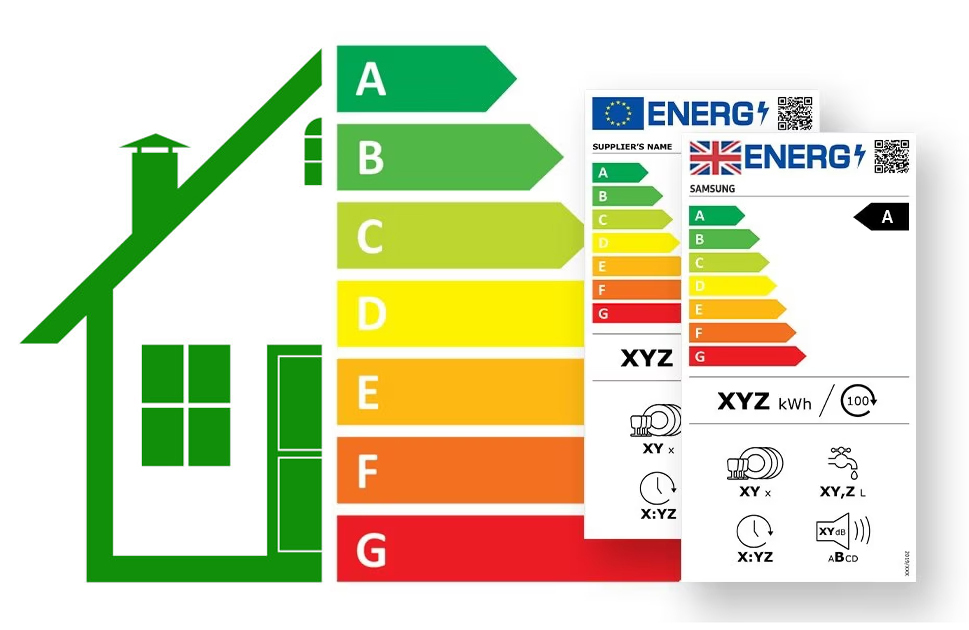
Energy Ratings
Energy ratings for washing machines, washer dryers & tumble dryers are designed to let you know the level of energy efficiency before you buy. These ratings have recently been revised to go from the most energy-efficient, A, to the least efficient, G, simply, right? But that’s not all the information the new energy labels have. For more information on these washing machine energy savers, check out the link below.
Most electricity consumed by a washing machine is used to heat up water, so machines that consume less energy by washing laundry at cooler temperatures are considered energy efficient. Not only that, but many have a sensor system to detect the size of the load and adjust the amount of water needed, which conserves both water and electricity, as using less water means there’s less water being heated. It’s important to look for these kinds of features when you’re searching for the perfect energy saver, because this is how you can save energy when washing your clothes
Energy ratings
Energy ratings for washing machines are designed to let you know the level of energy efficiency before you buy. These ratings have recently been revised to go from the most energy-efficient, A, to the least efficient, G, simply, right? But that’s not all the information the new energy labels have. For more information on these washing machine energy savers, check out the link below.
Most electricity consumed by a washing machine is used to heat up water, so machines that consume less energy by washing laundry at cooler temperatures are considered energy efficient. Not only that, but many have a sensor system to detect the size of the load and adjust the amount of water needed, which conserves both water and electricity, as using less water means there’s less water being heated. It’s important to look for these kinds of features when you’re searching for the perfect energy saver, because this is how you can save energy when washing your clothes
Washer-dryer Handy Features
Washer-dryers now offer more than ever before, making laundry less of a chore.
Washing machine handy features
Washing machines now offer more than ever before making laundry less of a chore.
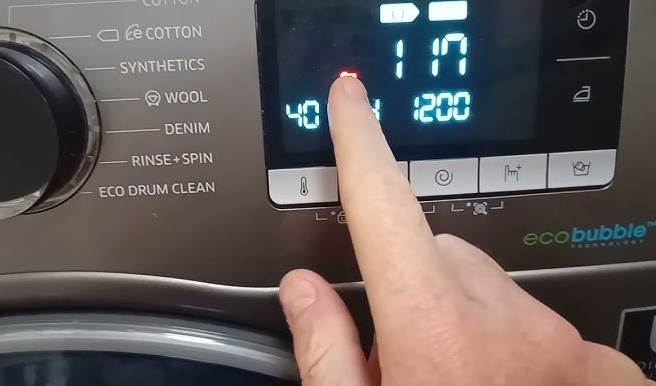
Spin Speed
Why is spin speed important? Lower spin speeds are ideal when washing delicate items or trainers. Whereas higher spin speeds remove more water, helping clothes to dry quicker. The spin speed refers to the rotational speed of the Washer’s drum, measured by revolutions per minute (RPM). Speeds can range from 400rpm up to the super-fast 1600rpm.
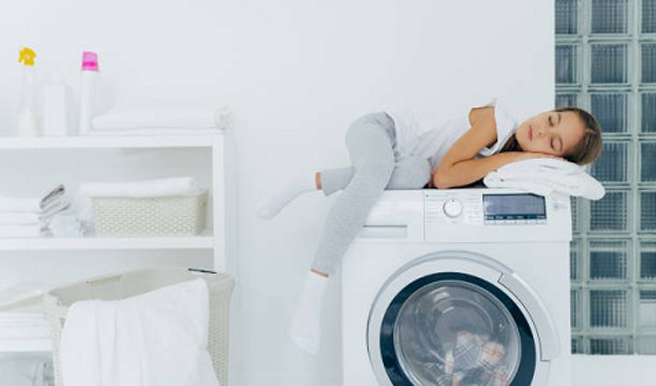
Quiet Noise levels
Quiet-running washers operate at lower noise levels compared to regular washers, so they don't disturb your quiet time. Offering a more peaceful laundry experience. When selecting a quiet machine, consider both the wash and spin cycles, and look for features like brushless motors, anti-vibration walls, and "quiet" or "silent" programs.
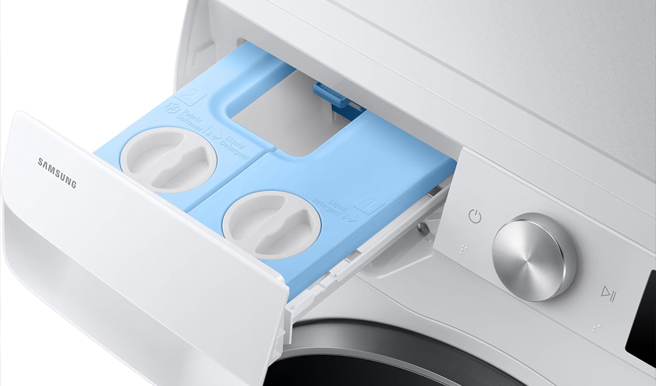
Auto-dosing
Washing machine auto-dosing is a feature that automatically measures and dispenses the correct amount of liquid detergent and/or fabric softener for each load. The machine uses sensors to weigh the clothes and, in some cases, account for water hardness and soil level to dispense the optimal amount, resulting in more efficient cleaning, reduced waste, and better care for your clothes.
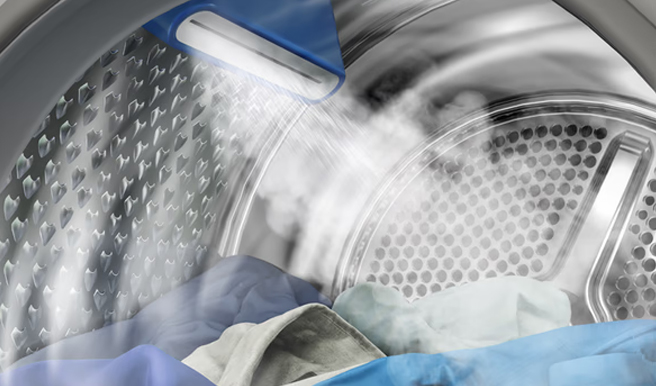
Steam Function
A washing machine's steam function uses a combination of hot water and steam to clean clothes, remove wrinkles, and sanitize. Steam relaxes fabric fibers, which helps to loosen dirt, making it easier to remove tough stains.
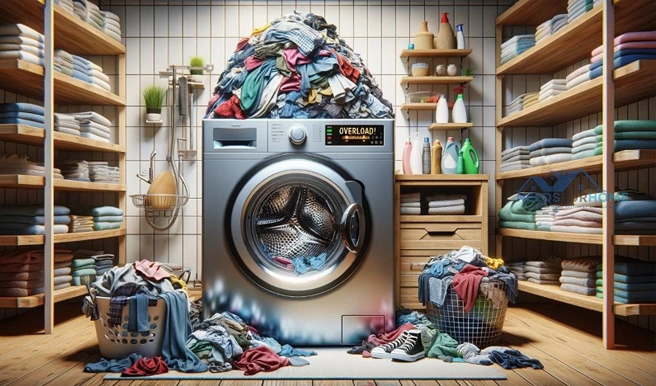
Sensors & Kg Detection
Sensors inside the Washing machine can detect the weight of the laundry load before the start of a cycle and then adjust the amount of water and energy, as well as the time duration, for a more efficient wash.
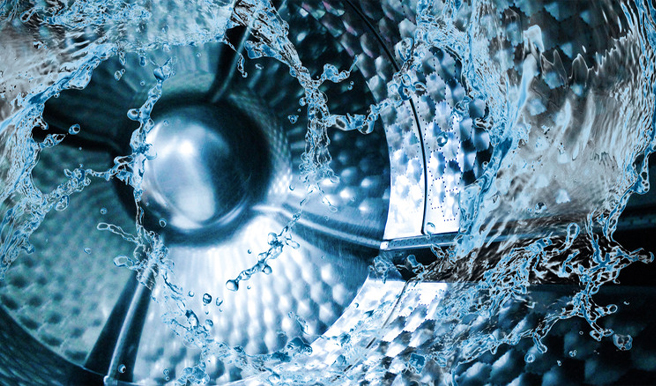
Self Cleaning
Washers can feature self-cleaning drums or detergent draws, which help prevent the buildup of dirt, grime, and detergent residue, offering my hygienic washing as well as reducing the need for manual cleaning.
Maintenance and Durability
Review warranty details and user reviews for insights into reliability and ease of maintenance. A washer dryer is a significant investment, so robust durability and comprehensive manufacturer support are crucial. Standard freestanding appliances are backed by a 1-year warranty; Some manufacturers on selected models offer an extended 5-year guarantee.
